
How Non-Invasive Fat Disruption Technologies Target Adipose Tissue and Help Prevent the Yo-Yo Diet Effect
Non-invasive body-contouring technologies have evolved rapidly, with methods such as ultrasonic lipolysis and cold laser therapy becoming increasingly recognised for their ability to reduce localized adipose tissue without surgery. Unlike traditional diet and exercise alone,
These technologies focus directly on adipocytes — the fat cells that store energy — by stimulating biological responses that encourage the release and breakdown of stored lipids. Ultrasonic waves and specific wavelengths of cold laser energy can make fat cell membranes more permeable, enhancing lipolysis (the breakdown of triglycerides into free fatty acids and glycerol) and supporting their natural removal through the lymphatic system.
Clinical research into non-invasive fat-reduction techniques includes several approaches like injection lipolysis, cryolipolysis, ultrasonic lipolysis and laser lipolysis. These methods differ in how they interact with fat tissue, but they share a common goal: to reduce fat cell volume or selectively affect adipocytes while sparing surrounding structures.

One of the challenges in long-term weight management is the biological propensity of adipose tissue to “remember” previous states of obesity. Recent scientific studies have shown that adipose tissue retains epigenetic and transcriptional changes even after significant weight loss, which may contribute to the common yo-yo effect seen with repetitive dieting. This metabolic memory makes it easier for fat cells to regain size and volume after weight reduction.
Fat-disruption technologies that act directly on adipocytes, combined with strategies that enhance metabolic flexibility and lymphatic clearance, can help counteract some mechanisms behind weight regain. By physically reducing fat cell volume and improving how the body processes and eliminates released lipids, these methods offer a more targeted approach than conventional dieting alone. When integrated into a comprehensive health plan that includes lifestyle and metabolic support, such procedures can support sustainable changes and help reduce the likelihood of significant rebound weight gain.
Non-invasive technologies continue to improve, with ongoing research focusing on understanding long-term outcomes, optimizing treatment parameters and combining modalities for greater efficacy. This expanding body of evidence suggests that, while no method is a universal cure for obesity on its own, advanced fat-disruption systems can play a significant role in achieving and maintaining body composition goals when used as part of a structured program.
Let us know what you think in the comments!
YOU MIGHT ALSO LIKE
R.K
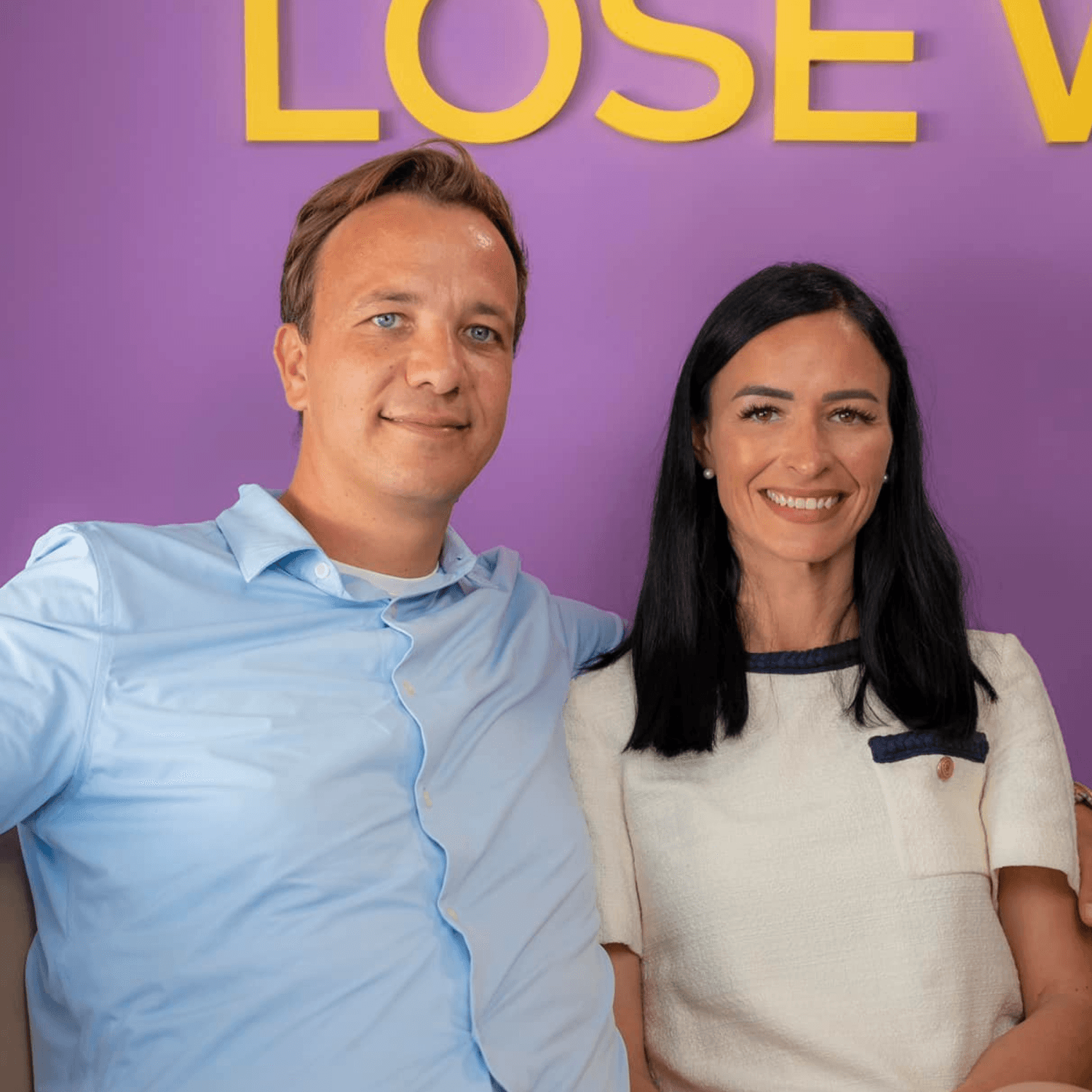
Raphaela & Kai Seefeldt
Creators of revolutionary biohacking machines. Doctor and medical engineer behind EMS ultrasonic, cold laser & IHHT oxygen therapy. Based in Spain & Germany.




Wellness in your Inbox!
Free Signup
© 2026. Relax and Lose Weight - All Rights Reserved